Blog - 12: From the Source – Plastic Raw Materials Determine Service Life: TYOU Solar PV Connector 25-Year Reliability Assurance
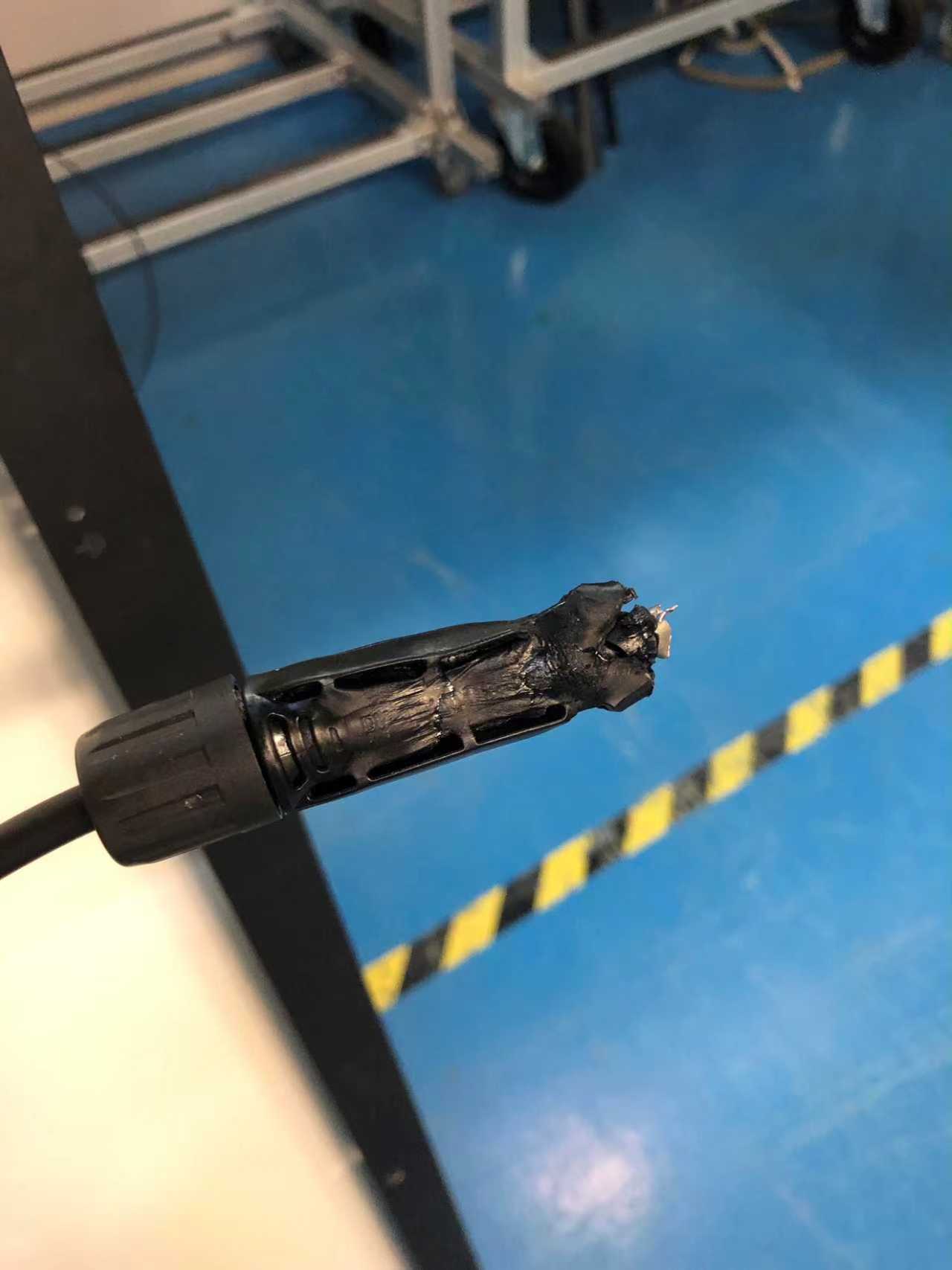
I. PV Solar Connector MC4 : Small Component, Big Risk
Data from multiple research institutions and actual PV power plants around the world confirm that solar PV connectors are a leading cause of system failures and a major contributor to PV systems fire accidents.
Reference:
Paper 1 Title: Standardized nomenclature for photovoltaic connectors
Author/Institution: Steven J. DiGregorio a,,, David C. Miller b,,
URL: //www.sciencedirect.com/science/article/pii/S0038092X25006103
Screenshot:
Paper 1 Title: Standardized nomenclature for photovoltaic connectors
Author/Institution: Steven J. DiGregorio a,,, David C. Miller b,,
URL: //www.sciencedirect.com/science/article/pii/S0038092X25006103
Screenshot:

Paper 2 Title: Rapid characterization and failure analysis of 6276 rooftop-harvested photovoltaic connectors
Author/Institution: , , Sandia National Laboratories, Albuquerque, NM 87185, USA
Author/Institution: , , Sandia National Laboratories, Albuquerque, NM 87185, USA
URL: //www.sciencedirect.com/science/article/pii/S0038092X25006796#recommended-articlesul.com/insights/evolving-challenges-pv-cables-and-connectors
Screenshot:
Screenshot:

PV connector failure is rarely sudden. It may begin with slow yellowing or embrittlement of the plastic housing, or a decline in insulation performance – eventually leading to leakage, arcing, or even fire. And the root cause of all this often lies in the plastic raw material chosen at the very beginning.
Therefore, to ensure reliable outdoor operation of solar connectors for more than 25 years, we must start with raw material selection, quality control, and process adaptation.
How does TYOU solar connector ensure that every mc4 compatible connector can withstand 25 years of sun, wind, and rain – starting from the plastic raw material level? Let us explain in detail.
II. Plastic Raw Materials: The “Foundation” of Solar Connector Service Life
TYOU‘s goal is clear: For a 25-year life cycle of PV power plants, select the right raw materials, break down their performance into quantifiable indicators, strictly enforce incoming inspection and precision injection molding processes, and ensure that every connector produced by TYOU stands firm under sun and storm for 25 years.
1. Material Selection Logic: Why These Top-Grade Materials?
① Base Resin Selection – Premium Brands from Major Producers
TYOU solar connector housings use flame-retardant reinforced polyamide (PA66) or polyphenylene ether (PPE) from leading domestic or international manufacturers. These materials offer:
· Long-term heat aging resistance: ensures no deformation under continuous operation at 85–110°C
· Excellent weatherability: UV resistant, suitable for outdoor environments from -40°C to +85°C
· High comparative tracking index (CTI ≥ 600V): effectively reduces leakage risk
· Excellent weatherability: UV resistant, suitable for outdoor environments from -40°C to +85°C
· High comparative tracking index (CTI ≥ 600V): effectively reduces leakage risk
② Modified Additive System – Customized Formulation
Instead of using standard modified compounds, TYOU adopts a customized modification system: halogen-free phosphorus flame retardant + MBS low-temperature toughening + compounded UV stabilizer + insulation-stabilizing additives + flow lubricant system, with precise control of each component:
· Flame retardant: achieves V-0 rating
· Antioxidant + UV stabilizer: ensures long-term aging performance
· Glass fiber (GF) content: controlled at 25% for optimal balance of strength and toughness
· Antioxidant + UV stabilizer: ensures long-term aging performance
· Glass fiber (GF) content: controlled at 25% for optimal balance of strength and toughness
This customized system delivers the following comprehensive properties:
· Moderate MFR fluidity, excellent injection molding performance
· CTI ≥ 600V, high insulation, tracking resistance
· 1J no cracking at -40°C low-temperature impact
· Stable performance after damp-heat (double 85) and UV long-term aging
· Low shrinkage, low warpage – perfectly compatible with SKD61 precision molds
· CTI ≥ 600V, high insulation, tracking resistance
· 1J no cracking at -40°C low-temperature impact
· Stable performance after damp-heat (double 85) and UV long-term aging
· Low shrinkage, low warpage – perfectly compatible with SKD61 precision molds
2. Key Performance Indicators: How to Define “Good” Raw Material?
We quantify raw material quality and set clear, stringent acceptance criteria. The following are the core indicators and their testing standards:
① Mechanical Properties (according to GB/T 37410-2019, GB/T 33765-2017)
Test Item Requirement
Low-temperature impact -40°C for 5h, then 1J impact – housing shall not crack
Tensile strength Cable outlet withstands 150N for 60s without loosening; connector pull force ≥ 250N
Compression resistance 500N static pressure, 300N side pressure – no permanent deformation
Drop test Free drop from 500–750mm in multiple orientations – structure intact, no damage
Low-temperature impact -40°C for 5h, then 1J impact – housing shall not crack
Tensile strength Cable outlet withstands 150N for 60s without loosening; connector pull force ≥ 250N
Compression resistance 500N static pressure, 300N side pressure – no permanent deformation
Drop test Free drop from 500–750mm in multiple orientations – structure intact, no damage
② Electrical Properties
Parameter Requirement
Comparative Tracking Index (CTI) ≥ 600V
Volume resistivity ≥ 1.0 × 10¹² Ω·cm
Dielectric strength ≥ 20 kV/mm
Comparative Tracking Index (CTI) ≥ 600V
Volume resistivity ≥ 1.0 × 10¹² Ω·cm
Dielectric strength ≥ 20 kV/mm
③ Long-Term Aging Performance
· Relative Thermal Index (RTI) : according to UL 746B, ≥ 125℃
· Weathering test: after 1000h xenon arc aging:
· Tensile strength retention ≥ 80%
· No chalking, cracking, or severe discoloration
· Weathering test: after 1000h xenon arc aging:
· Tensile strength retention ≥ 80%
· No chalking, cracking, or severe discoloration
④ Consistency Indicators
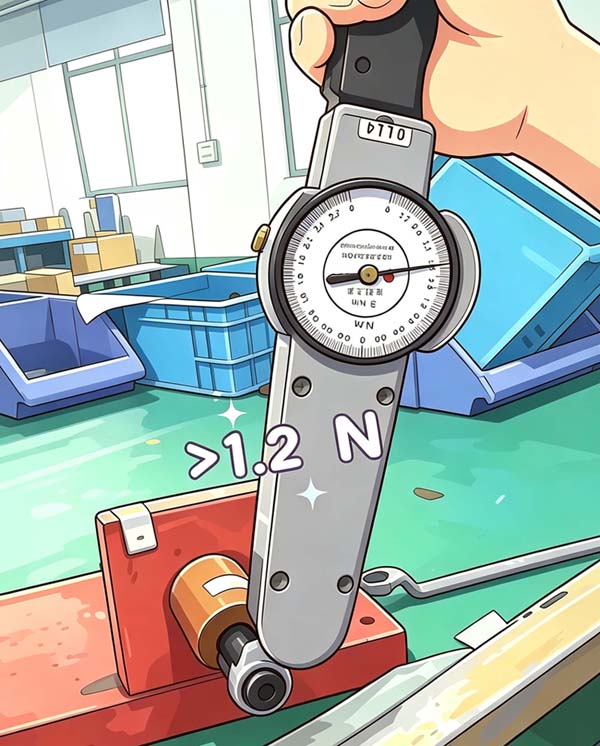
· Melt flow rate (MFR) : 15 g/10min (300°C / 1.2kg) – moderate fluidity
· Batch-to-batch variation control limit: ≤ 5%, ensuring stable processing and performance for every batch
· Batch-to-batch variation control limit: ≤ 5%, ensuring stable processing and performance for every batch
Summary of raw material comprehensive performance: MFR=15g/10min, CTI≥600V, volume resistivity≥1.0×10¹²Ω·cm, dielectric strength≥20kV/mm, RTI≥125°C, 1J no cracking at -40°C – fully meeting the requirements for PV injection molding and 25-year outdoor service.
3. Source Quality Control: Ensuring Only Good Raw Materials Come In
① Supplier Audit
· Suppliers must be ISO 9001 certified
· TYOU conducts annual on-site audits to ensure consistent supply quality
· TYOU conducts annual on-site audits to ensure consistent supply quality
② Incoming Raw Material Inspection
· Every batch is “tested before warehouse entry” with blind testing of key indicators:
· MFR
· Mechanical properties (tensile strength, impact strength)
· CTI, volume resistivity
· TGA to verify glass fiber content
· If any indicator fails, the entire batch is rejected – no compromise.
· MFR
· Mechanical properties (tensile strength, impact strength)
· CTI, volume resistivity
· TGA to verify glass fiber content
· If any indicator fails, the entire batch is rejected – no compromise.
4. Process Adaptation: How to Turn Good Raw Materials into Good Products?
① Drying Process
PA, PC, PE and other materials are hygroscopic. We implement strict drying profiles to prevent hydrolysis during injection molding, which would cause brittleness:
Material Drying Temperature Drying Time Note
PA66 (GF reinforced) 80–100°C 4–6 h Dew point ≤ -30°C
PC/PPO 110–120°C 3–4 h Dew point ≤ -30°C
PA66 (GF reinforced) 80–100°C 4–6 h Dew point ≤ -30°C
PC/PPO 110–120°C 3–4 h Dew point ≤ -30°C
② Injection Molding Parameter Optimization
Using Design of Experiments (DOE), we determine the optimum temperature-pressure-speed window for each specific material. Example parameters (for modified PC/PPO on SKD61 mold):
Process Parameter Setting Range
Barrel temperature Front (nozzle): 280–300°C Middle: 270–290°C Rear: 250–270°C
Mold temperature 60–75°C
Injection pressure 70–95 bar
Injection speed Medium 40%–60%
Holding pressure 60%–75% of injection pressure
Holding time 1.5–3.5 s
Cooling time 8–15 s
Screw speed 60–90 r/min
Melt cushion 1.1–1.3 × part weight
Clamping force 80–160 T
Barrel temperature Front (nozzle): 280–300°C Middle: 270–290°C Rear: 250–270°C
Mold temperature 60–75°C
Injection pressure 70–95 bar
Injection speed Medium 40%–60%
Holding pressure 60%–75% of injection pressure
Holding time 1.5–3.5 s
Cooling time 8–15 s
Screw speed 60–90 r/min
Melt cushion 1.1–1.3 × part weight
Clamping force 80–160 T
③ Regrind (Recycled Material) Control
· Maximum addition ratio per batch: ≤ 10%
· Maximum regrind usage cycles: ≤ 2 times (i.e., only first-pass regrind)
· Critical components (e.g., main housing, snap-fit features, sealing mating surfaces) shall use no regrind at all.
· Maximum regrind usage cycles: ≤ 2 times (i.e., only first-pass regrind)
· Critical components (e.g., main housing, snap-fit features, sealing mating surfaces) shall use no regrind at all.
III. From Raw Material to Finished Product – A 25-Year Commitment
Plastic raw materials are the starting point of connector service life. TYOU has built a complete raw material quality assurance chain from material selection logic → quantifiable indicators → incoming inspection → drying process → injection optimization → regrind control.
Every batch of raw material, every injection parameter, every inspection record is documented and traceable. Because we know: Only by choosing the right raw materials and controlling the process at the source can every TYOU connector stand firm under sun and storm for 25 years.
Next article preview: How does TYOU further ensure connector long-term reliability from the contact (terminal) level? Stay tuned.
Blog - 13: Solar Panel Connectors – 25‑Year Uninterrupted Connection: From Metal Selection to Extreme Validation, Every Step Is Quantified
Blog -11 : From the Source – Mold Determines Everything: TYOU PV Connector MC4 Quality Traceability
Related blog